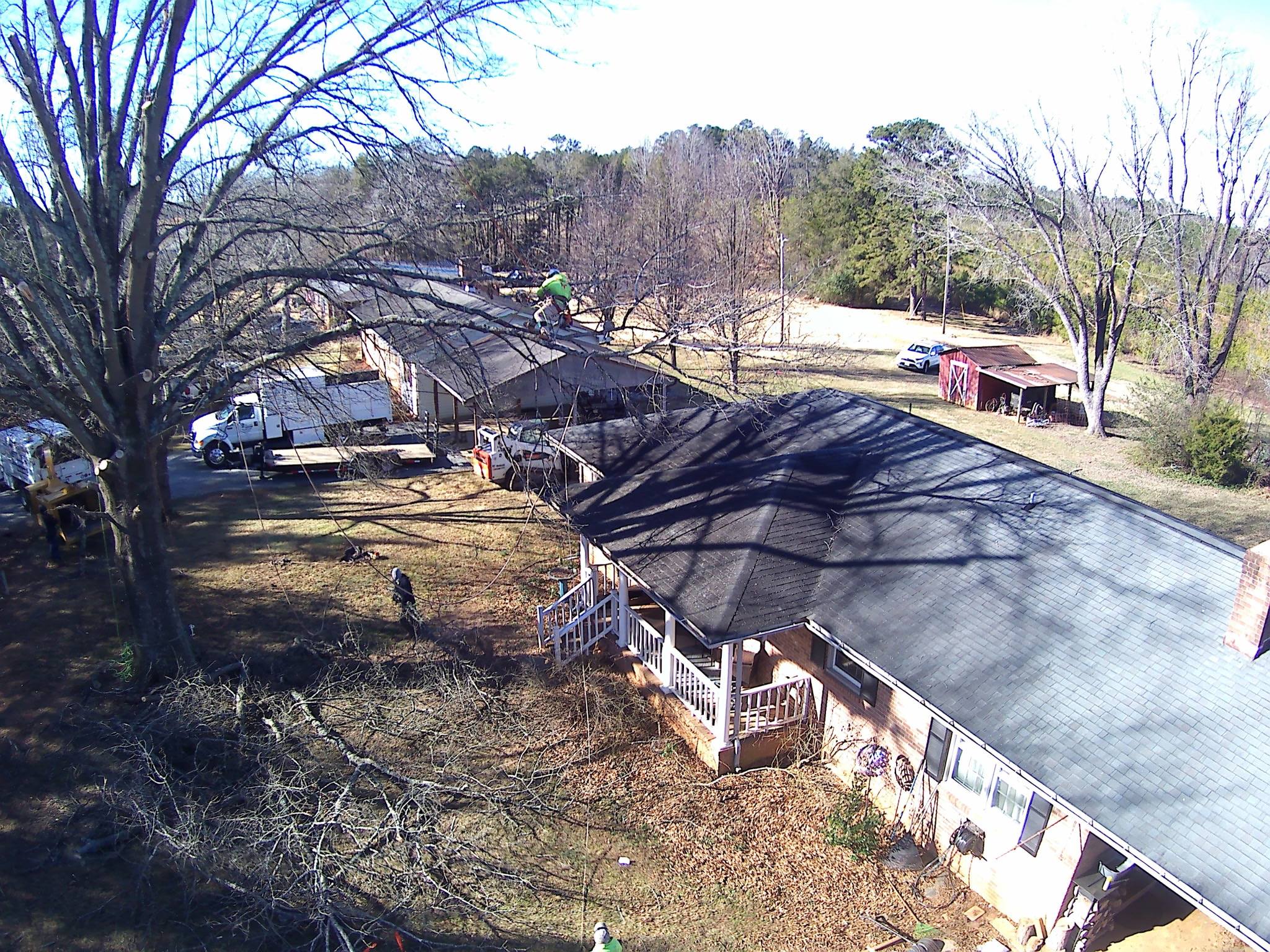
Seasonal Changes and Their Impact on Tree Health: What Homeowners Need to Know Jul 03, 2026
As spring approaches, trees awaken from their winter dormancy, embarking on an active growth phase. This season of renewal brings warmer temperatures, increased rainfall, and longer days—all necessary ingredients for tree health. However, this rapid growth can also be a vulnerable time for trees. Damage from winter, such as bark cracks or broken limbs, may not be immediately visible. As new growth begins, it's essential to inspect your trees for any winter injuries. Pruning dead or damaged branches and applying a balanced fertilizer can help provide the nutrients needed for robust growth. Spring is also an ideal time to mulch around the base of your trees to conserve moisture and suppress weeds.
With the onset of summer, trees are in full swing battling the brunt of the sun's heat. During these hot months, trees rely heavily on water to support their physiological processes. Homeowners should monitor rainfall closely; supplemental watering may be necessary during prolonged dry spells. A good practice is to water deeply but infrequently, encouraging deep root growth. Maintaining a mulch layer will help reduce evaporation and regulate soil temperature. Additionally, summer is a prime time for pest activity. Regular inspection for signs of insect infestation or disease can prevent minor issues from escalating into significant problems.
Autumn brings a dramatic change as trees start to prepare for the dormant winter months. This season is characterized by cooler temperatures and variable moisture conditions, prompting trees to conserve energy and nutrients. As leaves change color and eventually fall, this is an optimal period for tree evaluation and pruning. Addressing structural weaknesses in the fall can prevent damage caused by winter storms. Raking leaves and ensuring they do not accumulate at the base of trees can prevent rot and provide a tidy appearance to your yard. Fertilizing in the fall with a slow-release formula can fortify your trees for the coming winter.
Winter poses unique challenges with freezing temperatures and potential snow and ice accumulation. Deciduous trees enter dormancy, conserving energy, while evergreens remain somewhat active, requiring diligent care. Protecting trees from winter damage involves several proactive measures. Wrapping young trees with burlap can prevent bark injuries from the sun and wind. It's crucial to gently remove snow from branches to avoid breakage but to resist knocking ice off, as this can cause more harm than good. A final mulch application before the ground freezes can help insulate roots and retain moisture.
For homeowners, understanding and adapting to the seasonal needs of trees is key to ensuring their long-term health and resilience. Regular observation and timely interventions can mitigate the effects of seasonal stressors. Hamlett Tree Service LLC is committed to assisting homeowners in creating sustainable and thriving landscapes. Whether you need help with seasonal pruning, pest management, or emergency care, our expertise is just a call away. By staying informed and taking action, your trees can flourish year-round, enhancing your property’s beauty and stability.
/filters:no_upscale()/filters:format(webp)/media/1ec8ed3c-25be-4cdc-811a-0b9400ee72de.jpeg)