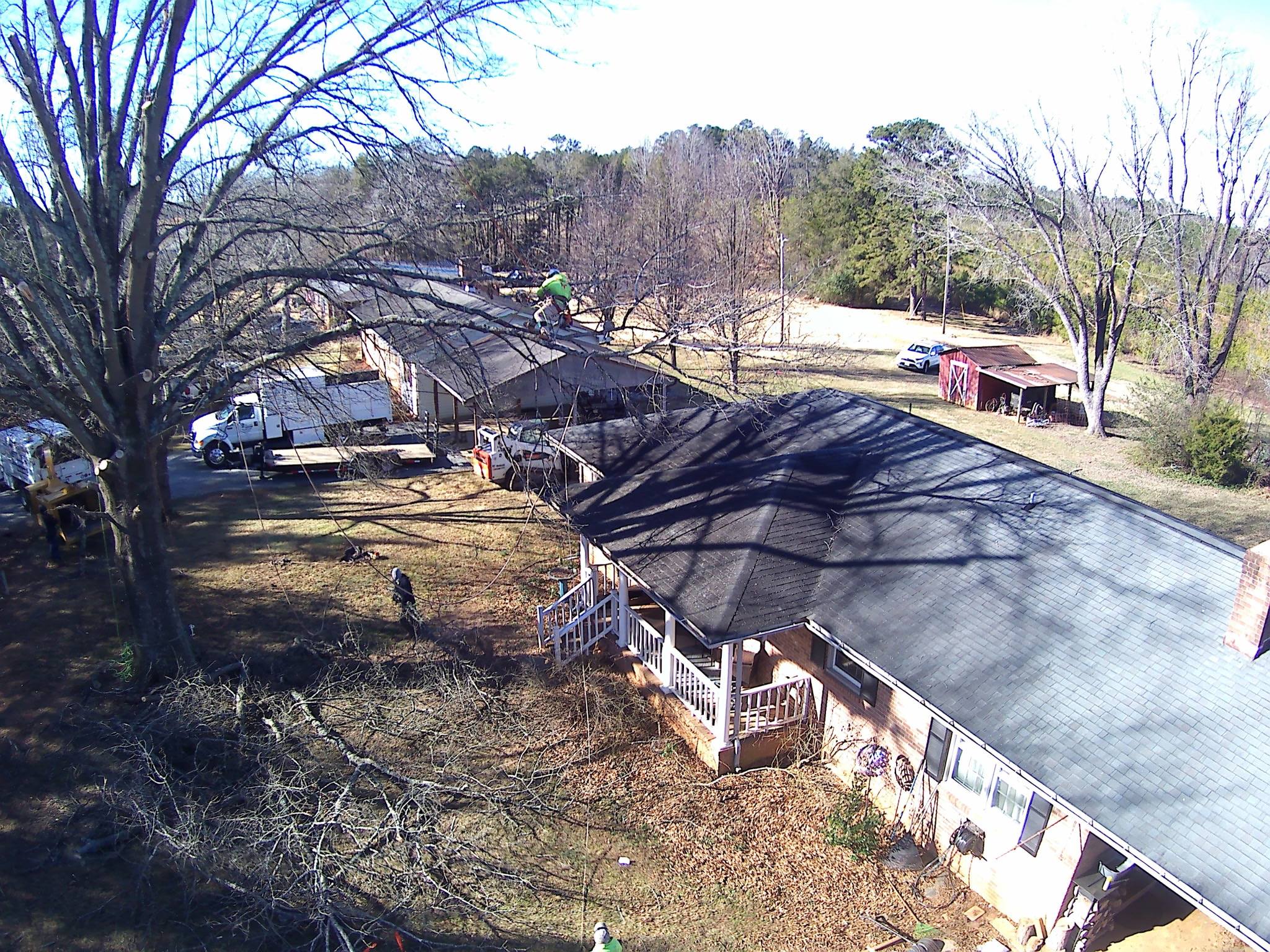
Maximizing Tree Health: Expert Pruning Techniques You Should Know Mar 11, 2026
To begin with, understanding why pruning is necessary sets the foundation for its successful application. Pruning ensures that dead, diseased, or damaged branches are removed, allowing trees to allocate nutrients more efficiently to healthier parts. This not only stimulates growth but also plays a crucial role in preventing potential hazards, such as falling branches during storms. Moreover, strategic pruning can improve air circulation within the tree’s canopy and maximize exposure to sunlight, essential components for robust tree health.
The timing of pruning is crucial. Typically, the best time to prune trees is during their dormant season. For most trees, this falls in the late winter or early spring before new growth begins. Pruning during dormancy reduces stress on the trees and minimizes sap loss, which can attract pests and diseases. However, certain flowering trees may benefit from post-bloom pruning. If you are uncertain about the right time to prune a specific tree species, consulting with Hamlett Tree Service LLC can provide tailored guidance.
Moving on to techniques, understanding proper pruning cuts is essential. Start with removing any dead, damaged, or diseased branches. These should be cut back to their point of origin or to a lateral branch that is at least one-third the diameter of the branch being removed. This ensures that the tree will heal properly without leaving stubs that can lead to rot. Clean cuts that are smooth and made at the right angle are less susceptible to disease.
Thinning is another effective technique that involves removing specific branches to improve light penetration and air movement within the canopy. When thinning a tree, focus on removing branches that crossover or grow inward towards the center of the tree. This not only enhances the tree’s form but also reduces the risk of broken branches under the weight of snow or ice.
In addition, consider the role of shaping and size control. Pruning can guide the structure of young trees, setting a solid framework for future growth. For mature trees, subtle size reduction may be necessary to prevent interference with structures or other trees. However, it is vital to avoid over-pruning, as this can weaken the tree and reduce its ability to photosynthesize efficiently.
Finally, while some tree care enthusiasts enjoy the process of pruning, including seeking advice from Hamlett Tree Service LLC can ensure the best outcomes for your trees. Our skilled arborists are equipped with the knowledge and tools necessary to undertake all pruning tasks with precision and care, promoting the health and safety of your trees.
By employing these expert pruning techniques, you can maximize your trees’ health, ensuring they remain a beautiful and functional part of your landscape for years to come. Remember, healthy trees contribute to a healthy environment, making pruning not just an act of maintenance but an investment in our ecosystem. If you require further assistance, contact Hamlett Tree Service LLC for expert tree care solutions tailored to your specific needs.
/filters:no_upscale()/filters:format(webp)/media/1ec8ed3c-25be-4cdc-811a-0b9400ee72de.jpeg)