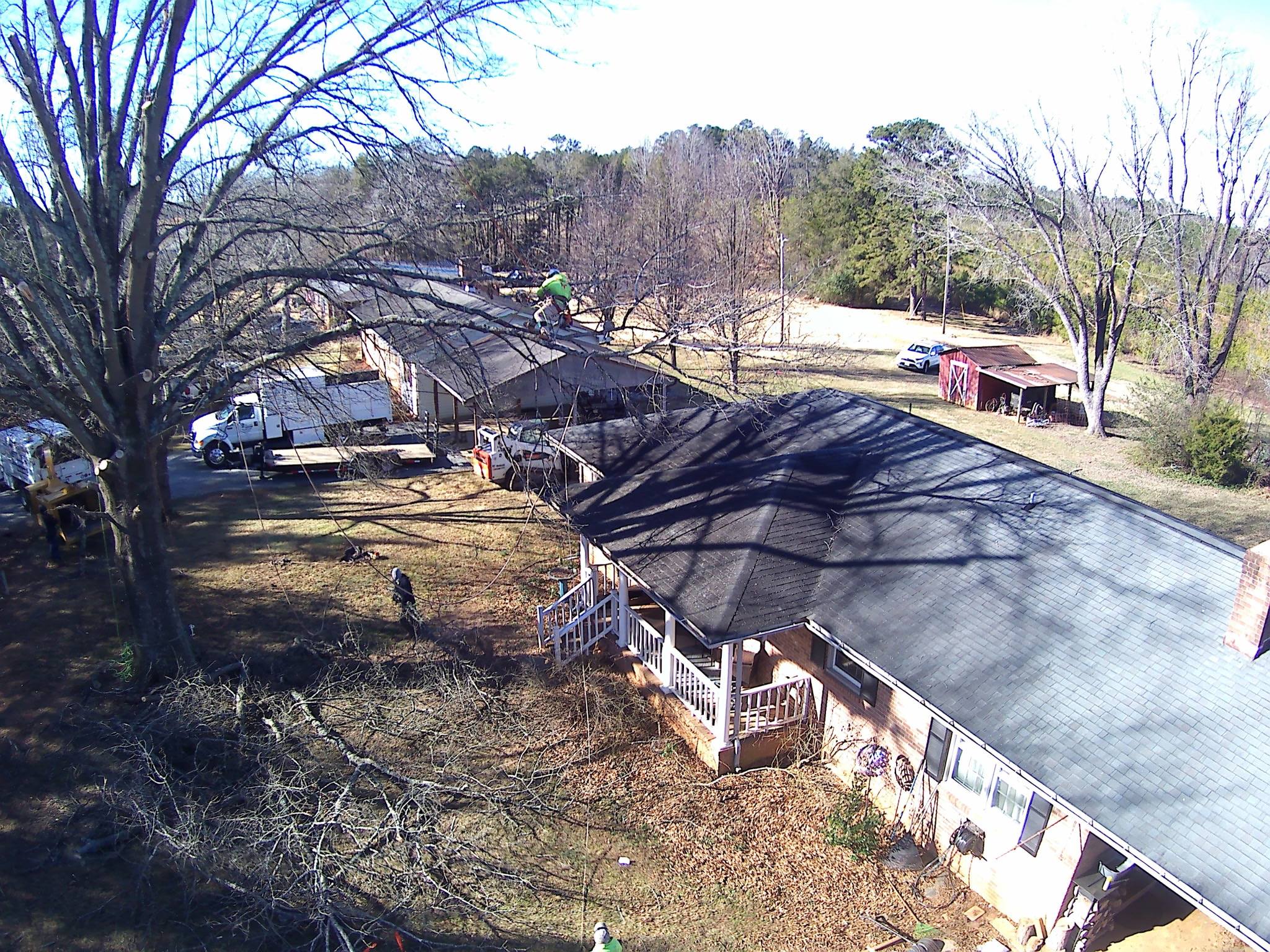
5 Essential Tips for Safely Removing Large Trees Feb 25, 2026
First, it is crucial to assess the situation thoroughly. Understanding the state of the tree, including its species, size, and condition, is an essential starting point. Evaluate any potential hazards like power lines or buildings nearby. Remove any surrounding obstacles that might impede the removal process, ensuring a clear, obstacle-free path for the tree to fall, if applicable. In some cases, obtaining the necessary permits from local authorities might be mandatory, so confirm any legal requirements to avoid fines or disruptions.
Second, equip yourself with the right tools or hire professionals who have access to specialized equipment. For DIY enthusiasts, essential tools include chainsaws, ropes, wedges, and safety gear like helmets, gloves, goggles, and steel-toe boots. For larger trees, advanced rigging and hoisting tools may be necessary to prevent accidents. However, any uncertainty regarding the handling of such tools should prompt you to contact a certified arborist familiar with complex removals, as the expertise and equipment they bring to the table can make a significant difference.
Another key consideration is formulating a strategic plan for the removal itself. Determine the direction in which the tree will fall and adjust your strategy accordingly. It's recommended to make a lower back cut and gradually work your way down; this technique helps control the tree's descent and reduces unexpected snapping or cracking, which can pose significant hazards.
Safety is paramount; therefore, maintaining a safe distance and clear communication with any helpers or household members is essential throughout the entire process. Never attempt to remove trees alone and always have a reliable spotter to alert you of potential dangers or to assist in case of emergencies. Clear verbal signals or walkie-talkies can be beneficial for maintaining contact with everyone involved.
Finally, don’t overlook the cleanup and disposal process. Once the tree is down, you'll need to deal with the leftover debris. Develop a plan for responsibly disposing of or repurposing wood and branches. Large limbs can be chipped for mulch, while trunks might be cut for firewood or lumber. Verify local regulations for disposal, as some areas have specific guidelines regarding organic waste.
In summary, large tree removal is a significant undertaking that requires careful preparation, the right equipment, and safety-conscious execution. When in doubt, seek professional services like Hamlett Tree Service LLC to handle the task, ensuring an efficient, stress-free experience. Armed with these essential tips, you can approach large tree removal with confidence and clarity, knowing your landscape is in capable hands.
For those interested in more comprehensive guidance or expert assistance, Hamlett Tree Service LLC is always ready to provide tailored advice and professional services, turning daunting tree removal tasks into manageable projects.
/filters:no_upscale()/filters:format(webp)/media/1ec8ed3c-25be-4cdc-811a-0b9400ee72de.jpeg)